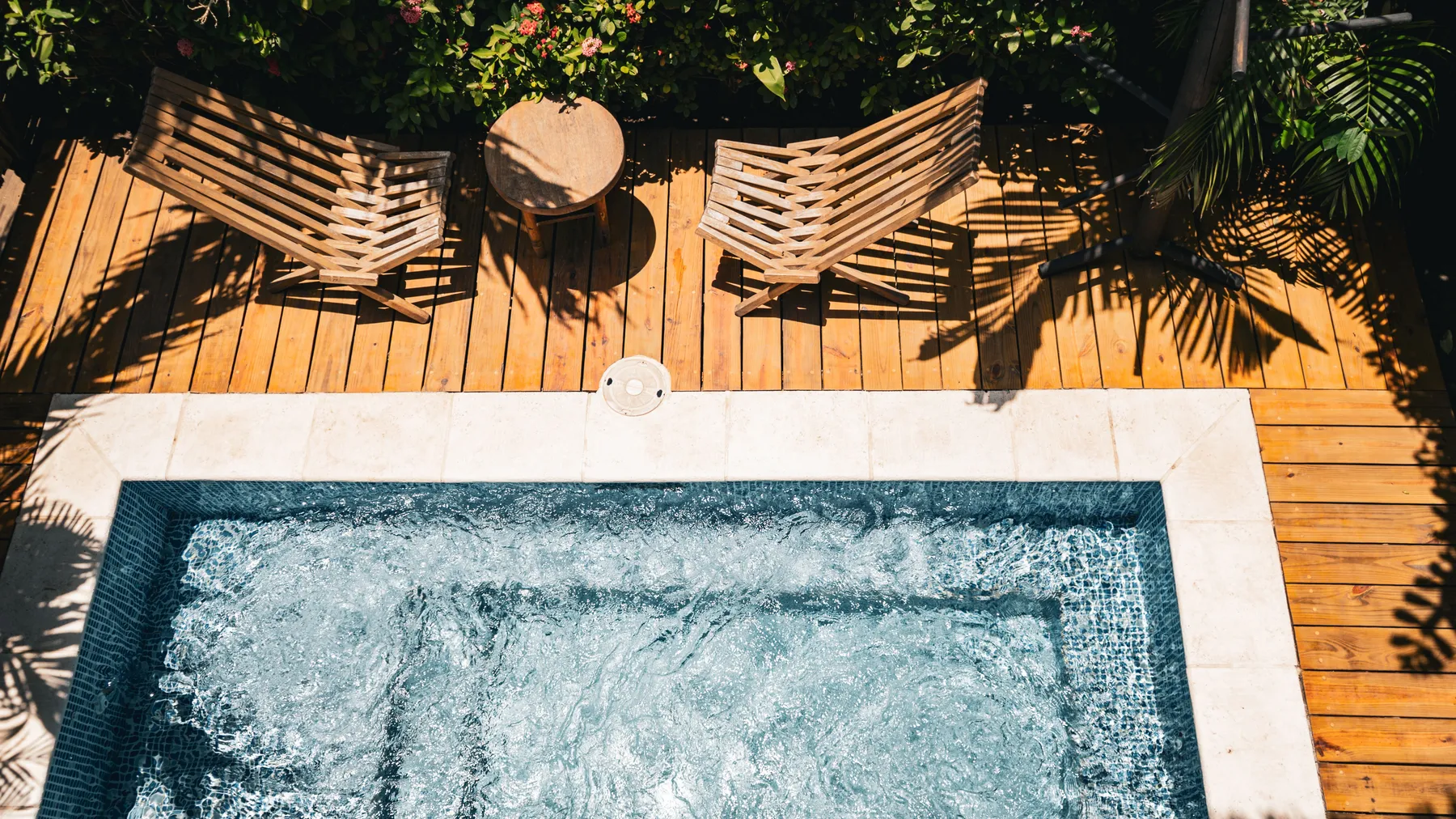
A pool can be the deciding factor when you’re house-hunting in Auckland, whether it’s a family home in East Auckland or a lifestyle property up on the North Shore, there’s something undeniably appealing about a backyard pool at an open home. But a pool is also one of the easiest things to underestimate the true cost and condition of. Before you get swept up in the idea of summer barbecues by the water, here’s what’s worth checking properly.
Why Pools Need Extra Due Diligence
Unlike most features of a house, a pool is a piece of active infrastructure: pump, filter, chlorinator, plumbing, and a shell that all age and need maintenance. A pool that looks sparkling clean at an open home can still be hiding a tired pump, an outdated fence that won’t pass inspection, or plaster that’s due for replacement within a year or two. None of that shows up in photos.
1. Pool Fencing and Compliance
This is the one that catches the most Auckland buyers out. Under the Building Act 2004, all residential pools deeper than 400mm must have compliant fencing and self-closing, self-latching gates, and Auckland Council carries out regular pool inspections to enforce this.
Before you buy:
- Ask for the property’s most recent pool fence compliance certificate or inspection record from Auckland Council
- Check the fence yourself: gaps under 100mm, gate self-closing mechanisms, and fence height (1.2m minimum) are common fail points
- Budget for compliance work if the current fencing looks dated, has gaps, or the gate doesn’t self-latch. This isn’t optional and Council will follow up
Non-compliant fencing isn’t just a fine risk, it’s a genuine safety issue, and bringing an old fence up to standard can cost anywhere from a few hundred dollars to several thousand depending on what needs replacing.
2. Equipment Age and Condition
Ask the vendor or agent directly: how old is the pump, filter, and chlorinator (if saltwater)? Pool equipment typically has a working life of 5–10 years depending on use and maintenance. If nobody can answer this question, that’s itself a signal.
Things to look for at a viewing:
- Unusual pump noise, or a pump that looks visibly old or rusted
- Filter pressure gauge readings: if it’s not been serviced in a while, this is a decent clue
- A salt cell (for saltwater pools) with visible scale build-up, which shortens its lifespan
Replacing a pump typically runs into four figures, and a full equipment refresh can add up fast, so it’s worth factoring into your offer if things look tired.
3. Plaster and Shell Condition
Pool plaster (or the interior surface finish) typically lasts 10–20 years before it needs replacing. Signs of a shell nearing the end of its life include rough or pitted texture, visible staining that won’t come out, cracks, or a chalky residue on your hand after touching the walls.
Replastering an average Auckland residential pool is a significant cost, often $25,000 or more, so if the surface looks tired, factor it into your negotiation. Our guide on new plaster and pool start-ups covers what’s involved if you do end up needing this work done.
4. Water Chemistry Red Flags
You can’t fully judge a pool’s chemistry from a single viewing, but a few visual clues are worth watching for:
- Cloudy or hazy water: could be a simple balance issue, or could point to filtration problems
- Green tinge, especially around steps and corners: early algae, suggesting the pool hasn’t been well maintained recently
- Strong chemical smell: often means chloramines have built up from insufficient shock treatment, not “too much chlorine” as people often assume
None of these are dealbreakers on their own, but they’re a useful proxy for how well the previous owners have looked after the pool overall.
5. Ongoing Running Costs
Before you commit, get a realistic sense of what the pool will cost to run and maintain: power for the pump and (if applicable) heating, chemicals, and either your own time or a professional service. Auckland’s mild but humid climate means most pools need active management for a good 8–9 months of the year, not just peak summer.
Get a Professional Opinion Before You Sign
The clearest way to avoid an expensive surprise is to have a pool professional look over the equipment, shell, and chemistry before your offer goes unconditional, the same way you’d get a building inspection. A Pool Pals pool health check gives you an honest, no-pressure assessment of exactly what condition the pool is in and what (if anything) needs attention, so you know precisely what you’re buying.
Frequently Asked Questions
Do I legally need to check pool fencing before buying a house in Auckland?
It’s not a legal requirement to check before buying, but it is your responsibility as the new owner to ensure compliance once you own the property. Auckland Council can and does inspect pool fencing, so it’s worth checking before you commit rather than after.
How much does it cost to bring an old pool fence up to code?
It varies widely depending on what’s wrong. A faulty self-latching gate might cost a few hundred dollars to fix, while a full fence replacement can run into several thousand. Get a specific quote before you factor it into your offer.
Can a pool inspection be part of my building inspection?
Standard building inspections often don’t cover pool equipment or water chemistry in detail. It’s worth arranging a separate, pool-specific health check alongside your regular building inspection.
What’s the biggest hidden cost with buying a house with a pool?
Most commonly it’s either ageing equipment (pump, filter, chlorinator) or plaster nearing the end of its life, both are expensive to replace and easy to miss without a proper inspection.